Nevertheless, that's not what the epidemiology of the condition suggests. By age 35, half of all individuals who certified for active alcoholism or dependency diagnoses during their teens and 20s no longer do, according to a research study of over 42,000 Americans in a sample developed to represent the adult population.
Heroin addictions tend to last as long as alcohol addiction, but prescription opioid issues, usually, last 5 years. In these large samples, which are drawn from the general population, only a quarter of people who recover have actually ever sought assistance in doing so (including via 12-step programmes). This in fact makes dependencies the psychiatric condition with the greatest chances of recovery.
And this remains true even for individuals like me, who have actually utilized drugs in such high, regular dosages and in such a compulsive fashion that it is hard to argue that we "weren't actually addicted". I don't know lots of non-addicts who shoot up 40 times a day, get suspended from college for dealing and spend numerous months in a methadone programme.
Moreover, if addiction were genuinely a progressive disease, the information should show that the odds of giving up get even worse gradually. In reality, they stay the exact same on an annual basis, which implies that, as individuals age, a higher and greater percentage end up in recovery. If your dependency truly is "doing pushups" while you being in AA meetings, it needs to get more difficult, not much easier, to give up over time.
That is, journalists and rehabilitations tend to see the extremes: provided the expensive and often severe nature of treatment, if you can quit on your own, you probably will. And it will be tough for reporters or treatment suppliers to discover you. Similarly, if your only understanding of alcohol originated from working in an ER on Saturday nights, you might start believing that restriction is a great concept.
You would not be conscious of how do you stop taking gabapentin the clients whose alcohol use wasn't causing problems (how long is drug rehab). And so, although the overwhelming majority of alcohol users consume responsibly, your "scientific" picture of what the drug does would be misshaped by the source of your sample of drinkers. Treatment service providers get a likewise skewed view of addicts: individuals who keep returning aren't typical they're simply the ones who require the most help.
What Drug Did Keith Murray Go To Rehab For for Beginners
This is one of many reasons I choose to see addiction as a knowing or developmental condition, rather than taking the classical disease Article source view. If dependency actually were a main, chronic, progressive disease, natural recovery rates would not be so high and dependency wouldn't have such a pronounced peak prevalence in young people.
The most typical years for full onset of addiction are 19 and 20, which coincides with late teenage years, before cortical development is complete. In early adolescence, when the drug taking that leads to addiction by the 20s usually starts, the emotional systems included in love and sex are coming online, prior to the cognitive systems that check risk taking are fully active.
The biological part is because of the effect of the drugs on the developing circuitry itself however the psychological part is most likely a minimum of as essential. If as a teenager you do not find out non-drug methods of relaxing yourself through the inescapable ups and downs of relationships, you miss out on an important period for doing so.
The data supports this concept: if you begin consuming or taking drugs with peers prior to age 18, you have a 25% chance of ending up being addicted, however if your usage begins later, the odds drop to 4 percent. Very couple of people without a previous history of dependency get connected later in life, even if they are exposed to drugs like opioid painkillers.
Lots of kids "age out" of classical developmental conditions like attention deficit/hyperactivity disorder (ADHD) as their brains reach those of their peers or they establish workarounds for handling their various wiring. One research study, for instance, which followed 367 children with ADHD into adulthood discovered that 70% no longer had considerable symptoms. what is drug rehab.
Like dependency (and actually highly related to threat for it), ADHD how many people are addicted is a wiring difference, and an essential duration for braincircuit structure is teenage years. In both cases, maturity can assist remedy the issue but does not constantly do so automatically. To much better comprehend recovery and how to teach it, then, we require to seek to the strengths and tactics of people who give up without treatment and not simply focus on clinical samples.
Unknown Facts About How Much Do Drug Rehab Centers Cost
Individuals who recuperate without treatment also tend not to see themselves as addicts, according to the research in this location. While treatment can frequently support the principles of natural healing, frequently, it does the opposite. For example, lots of programmes interfere with healthy household and romantic relationships by isolating clients.
Others pay too much attention to getting individuals to take on an addict identity instead of on damage related to substance abuse when, in fact, looking at other facets of the self might be more practical. There are numerous paths to recovery and if we wish to help individuals get there, we need to explore all of them.
is a leading neuroscience and dependency reporter and a columnist at Compound. com. is an online magazine covering drugs, addiction and the associated politics and cultures.

Very first thing's very first, you need to confess you have a dependency. If you are feeling pain or regret from your actions, or if your bad routines dispute or restrict your everyday activities, it's time to consider help.Dr.Elizabeth Hartney, PhD agrees, "There are lots of factors, physical, psychological, and psychological, that make stopping challenging.
They are likewise most likely to trigger suffering for their liked ones, including spouses, moms and dads, kids, pals, and other household. For those who enjoy somebody who is dealing with alcohol or substance abuse, it is very important to know the indications of substance abuse issues and how to best assist the individual in requirement (how to involuntarily commit someone to drug rehab).
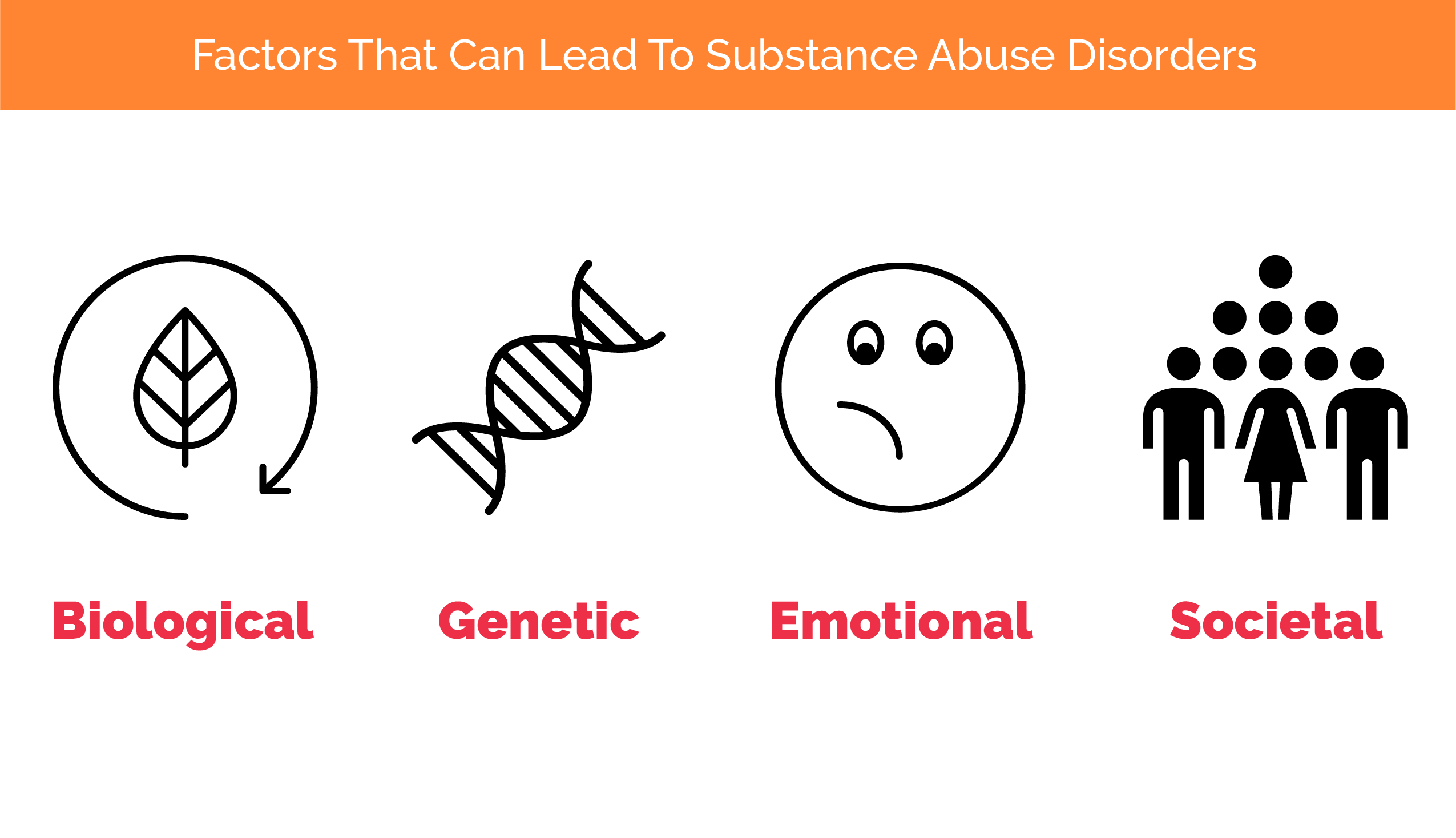
Mayo Center offers an extensive list of signs that might be shown by an individual fighting with drug or alcoholic abuse. Much of these may be internal experiences for that person; however, symptoms that may be obvious to others include: Appearing intoxicated more and more frequently Developing problems with cognition and memory Being sluggish, sleeping more, sleeping irregular hours, or appearing weak or tired Developing problems at work or school; potentially losing one's job or leaving of school Participating in social events only if drugs or alcohol are offered; ending up being intoxicated prior to the gathering; or attending less gatherings particularly to consume or use drugs Stealing cash or valuables to spend for drugs Lying about the substance or just how much they are using Blowing up, sad, or lashing out when questioned about their drug abuse Experiencing withdrawal symptoms when they are not able to take the drug Neglected look and bad health Individuals who have problem with drug abuse problems are likely to behave differently when they are intoxicated versus when they are sober; they may state or do upsetting things, and they are likely to take serious dangers with their life, such as driving while intoxicated.